Cloud storage is convenient precisely because it takes the responsibility for your files off your hands — which is exactly the tradeoff worth examining closely. The moment a file leaves your device, its privacy depends on decisions made by a company you don't control: how they secure their servers, who on their staff can access customer data, and how they respond to legal requests.
The Actual Risk Surface of Cloud Storage
- Data breaches: Major cloud storage and photo services have suffered breaches exposing millions of users' files over the years, often due to vulnerabilities entirely outside the user's control.
- Insider access: Employees at cloud storage companies have, in documented cases, improperly accessed customer accounts and private files.
- Legal compulsion: Cloud providers can be served subpoenas or warrants compelling them to produce user data, frequently under a gag order preventing the user from being notified.
- Third-party sharing: Privacy policies for many free cloud services permit data sharing with partners, advertisers, or affiliated companies under specific conditions.
- Account compromise: A weak or reused password on a cloud account can expose every file ever uploaded, not just what's currently on your device.
What On-Device Storage Removes From the Equation
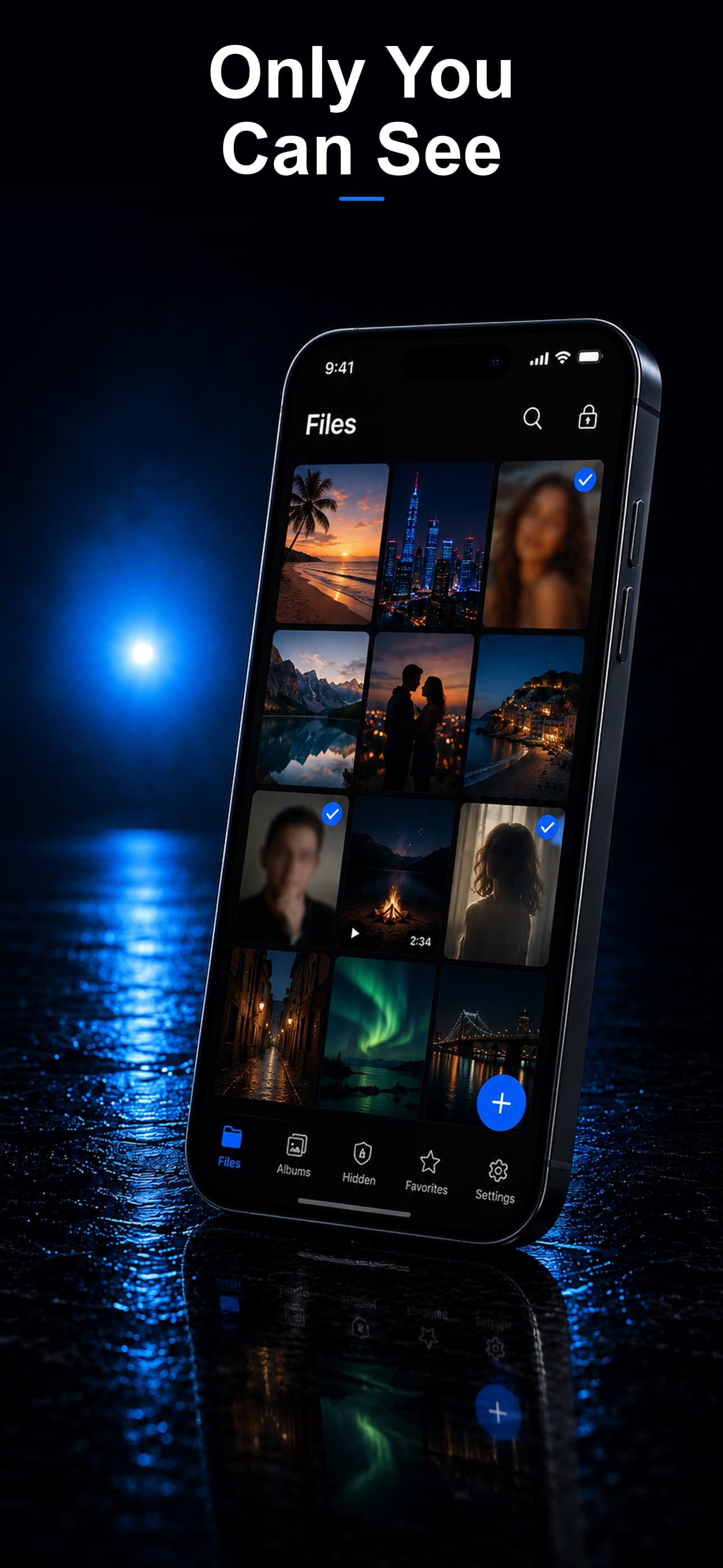
Stash stores every file with AES-256 encryption entirely on your device, with no server component at all. There is no company database that could be breached, no employee with backend access, and no cloud account that could be compromised separately from your phone itself.
Convenience vs. Exposure
Cloud sync exists to solve a real problem: accessing files across multiple devices and protecting against device loss. On-device storage trades that convenience for a meaningfully smaller attack surface — your files are exposed only if someone has your device and your vault passcode, not if a company's server is breached on the other side of the world.
Where This Matters Most
For files where the consequence of exposure is severe — identity documents, financial records, private photos, confidential work material — the convenience of cloud sync is rarely worth the added exposure. Stash's zero-server design means there is simply nothing for a breach, subpoena, or insider to reach.
Download Stash from the App Store