Apple publishes a biannual transparency report, and the numbers are worth reading closely. In recent reporting periods, Apple has received tens of thousands of device and account requests from U.S. law enforcement alone, and it has complied with the substantial majority of legally valid ones. iCloud content — including photos — is explicitly listed among the data types Apple can and does produce in response to a search warrant.
How the Subpoena Process Actually Works
- Subpoena: Can compel basic subscriber information, but generally not content like photos, without a warrant.
- Search warrant: Backed by a judge's finding of probable cause, this can compel Apple to produce iCloud content, including your full photo library, iCloud backups, and even deleted items still on Apple's servers.
- Gag orders: Warrants are frequently accompanied by non-disclosure orders that legally prevent Apple from telling you your data was requested — sometimes for years.
- International requests: Mutual Legal Assistance Treaties allow foreign governments to request the same data through U.S. courts.
The Only Way to Make This Moot
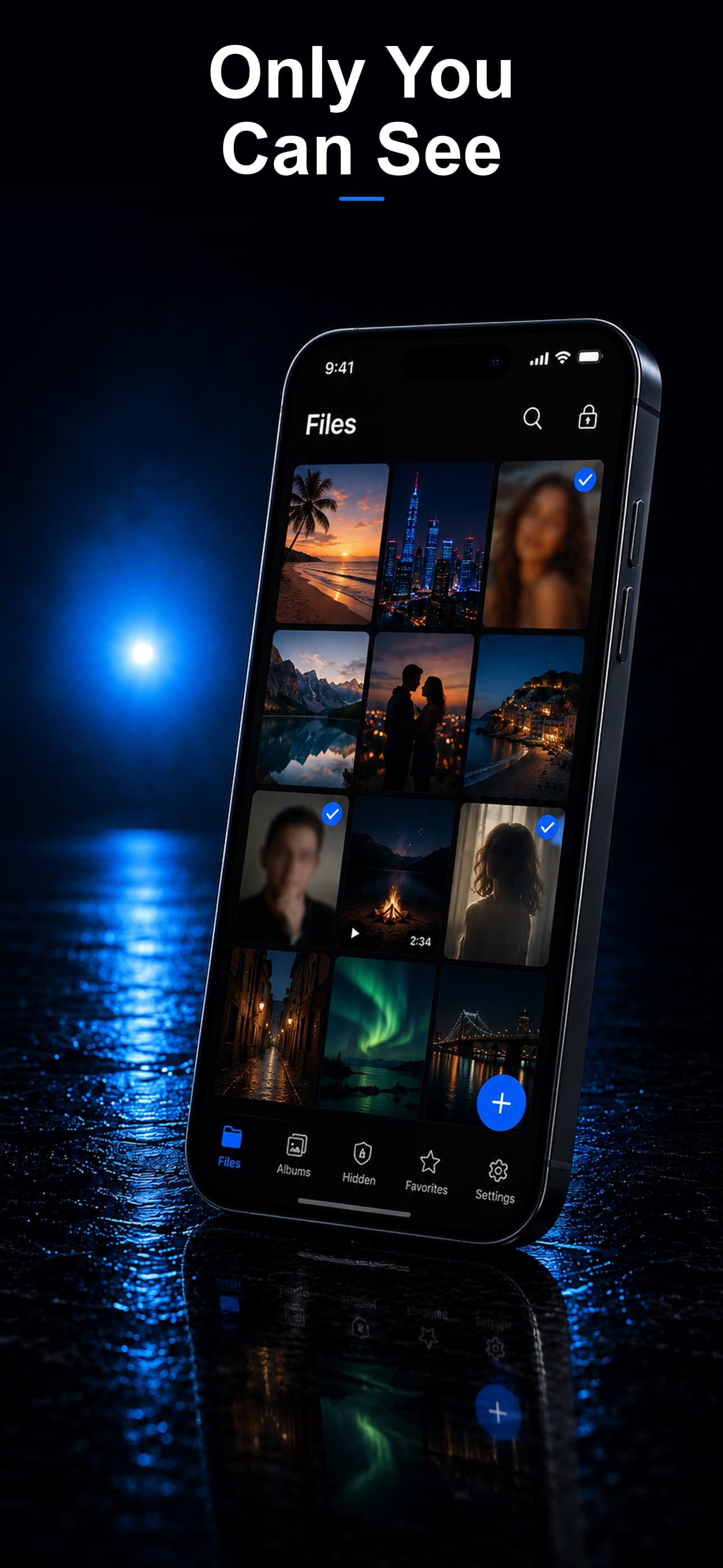
A subpoena can only produce data that exists somewhere to be produced. Stash keeps your photos and videos entirely off iCloud and off any server. There is nothing stored with Apple, nothing stored with the developer, and nothing for any legal process to reach.
Auditing What's Already in iCloud
Before relying on any vault app, check what's already synced. Go to Settings, tap your name, then iCloud, then Photos, and review whether iCloud Photos is enabled. Anything already uploaded may remain on Apple's servers even after local deletion, depending on your settings and backup history.
Moving Forward Without the Exposure
Import sensitive photos into Stash, confirm they display correctly inside the encrypted vault, then delete the originals from your camera roll and disable iCloud sync for anything you don't want mirrored to Apple's infrastructure going forward.
What a Zero-Server App Cannot Be Compelled to Produce
Because Stash has no backend, no account system, and no data transmission, there is no company that receives your files and no server logs that reveal your activity. A subpoena addressed to the developer has nothing to point to.
Download Stash from the App Store