Reporter's privilege — the legal principle that journalists can protect confidential sources — varies enormously by jurisdiction and offers far less protection than most reporters assume. The U.S. has no federal shield law, and Department of Justice guidelines restricting subpoenas of journalists have been tightened and loosened by different administrations. Cases involving the seizure of reporters' phone records and emails, including well-documented incidents at major news organizations, show that the government has repeatedly gone directly to third-party providers rather than the journalist, sidestepping privilege arguments entirely.
Where Source Protection Actually Breaks Down
- Third-party records: Subpoenas to cloud providers, telecom carriers, or email hosts don't require notifying the journalist first, and can be filed under seal.
- Device seizure at borders: International reporting trips carry the added exposure of warrantless border device searches, which can capture source documents stored on the device.
- Metadata over content: Even without reading message content, call and location metadata alone can reveal a source relationship — this has been the basis of several documented leak investigations.
- Newsroom cloud backups: Shared drives and cloud-synced note-taking apps used across a newsroom widen the number of accounts a subpoena could realistically reach.
Building a File Layer with No Legal Reach
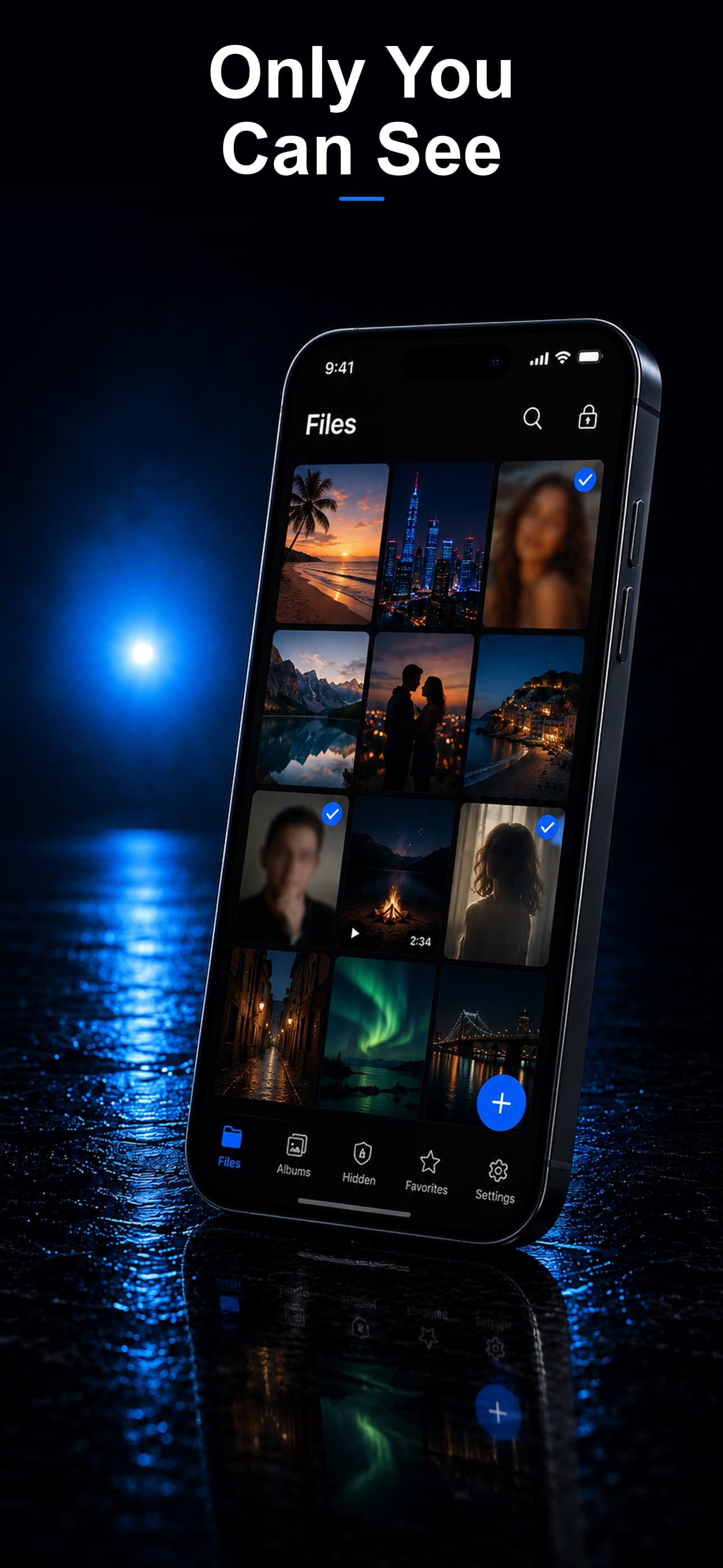
Stash stores documents, recordings, and notes with AES-256 encryption entirely on-device, with zero cloud sync. There is no server-side copy for a subpoena to target, because nothing is ever transmitted off the phone.
Source Documents and Leaked Materials
Import sensitive documents directly into the vault rather than leaving them in Files or Photos, where they'd sync to iCloud by default and become discoverable through a warrant served on Apple rather than on you.
Interview Recordings and Notes
Voice memos and typed notes containing source-identifying details can be stored inside the vault instead of the default Voice Memos or Notes apps, both of which sync to iCloud unless specifically configured not to.
A Disguised Interface for Field Reporting
When working in hostile press environments or crossing borders for a story, Stash's calculator, fitness, or music player disguise means the vault doesn't visibly exist to anyone doing a casual phone check.
Download Stash from the App Store