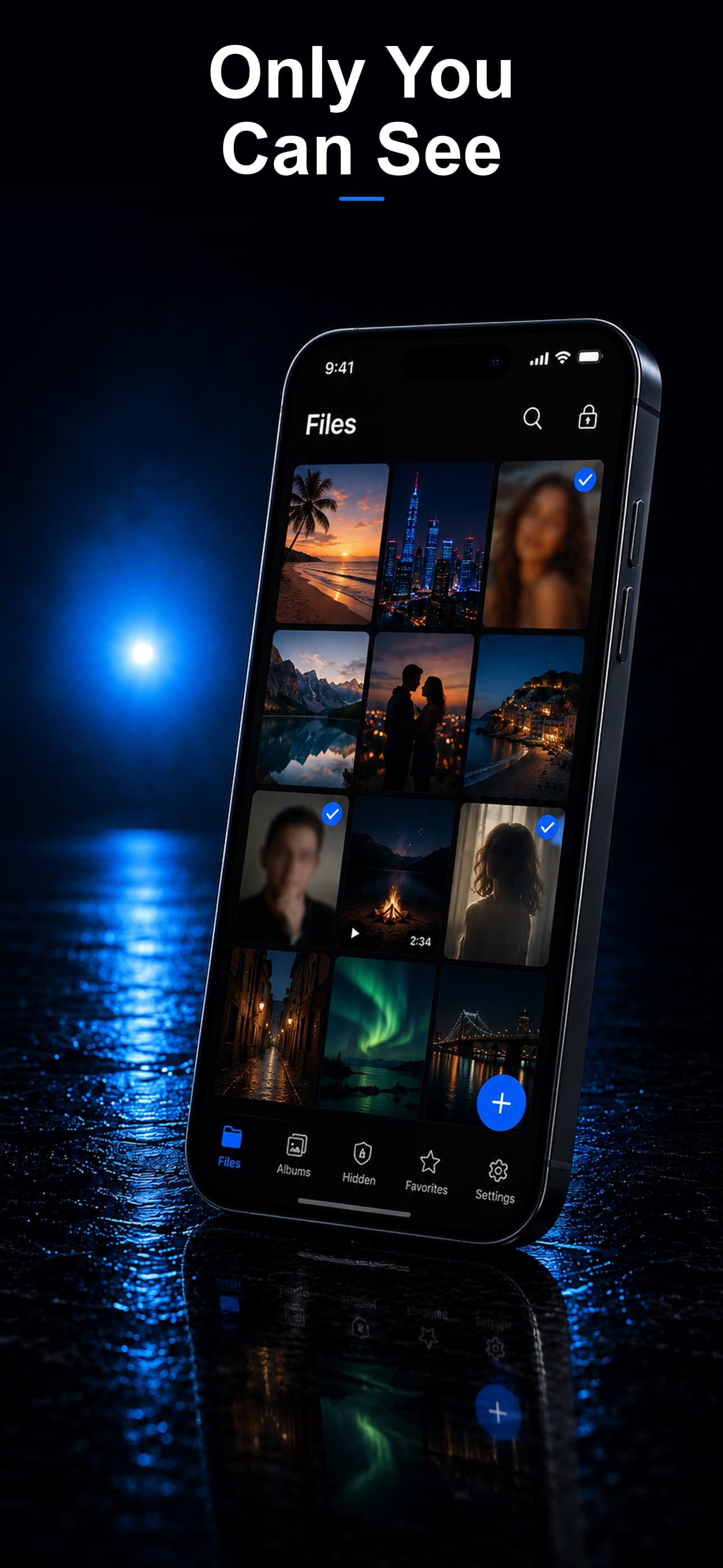
Recording police conduct, crowd size, or civil rights violations at a protest is protected First Amendment activity in the United States, affirmed by federal courts in multiple circuits. But protection to record is not the same as protection of what you've already recorded. Phones have been seized during mass arrests, and prosecutors have subpoenaed protesters' devices and cloud accounts as part of investigations into unrelated incidents that occurred nearby.
The Real Risks to Protest Footage
- Mass arrest seizure: During kettling or mass-arrest situations, phones are sometimes confiscated as a matter of course, searched later, or held for extended evidence processing.
- Metadata exposure: Photos and videos carry embedded location and timestamp data that can identify exactly where you were standing and when, potentially placing you at a scene you didn't intend to be tied to.
- Compelled disclosure: Law enforcement has issued subpoenas and geofence warrants seeking footage or location data from everyone present in an area during a specific window, not just people under individual suspicion.
- Facial recognition matching: Footage that ends up in evidence databases can be run against facial recognition systems, identifying bystanders as well as participants.
Separate What You Record from What's Visible
Stash lets you move protest footage into an AES-256 encrypted vault immediately after recording, disguised behind a calculator, fitness tracker, or music player interface. If your phone is checked or seized, the footage is not visible through the standard camera roll.
During the Protest
Import recordings into the vault as soon as it's safe to do so, rather than leaving them in your camera roll where a quick phone check would reveal them immediately.
If Your Phone Is Confiscated
Encrypted vault files remain unreadable without your passcode, even if the device itself is unlocked by other means. A decoy vault can also present harmless content if you're pressured to demonstrate there's "nothing on your phone."
After the Fact: Preserving Evidence Safely
If your footage documents police misconduct that you may need later, keeping it encrypted and on-device — rather than posted publicly right away — protects it from both deletion pressure and premature exposure while you decide how and when to share it, including with legal counsel or civil liberties organizations.
Download Stash from the App Store