אתה בפגישה של Teams. הקולגה שלך מציג את עצמו, אבל הקול שלו נשמע כאילו הוא מגיע דרך פחית משלושה חדרים מכאן. נפח Mac שלך הוא 100%. נפח המשחקים של הקבוצות עומד על 100%. מצאת כל מה שמצאת. עדיין שקט מדי.
ווליום נמוך ב-Microsoft Teams הוא אחת התלונות הנפוצות ביותר Mac אודיו בסביבות ארגוניות. הסיבות שונות מזום זום, וחלק מהתיקונים הם ספציפיים ל-Teams. בואו נעבור על כולם.
1. בדוק את הגדרות האודיו של Teams
לחץ על סמל הפרופיל שלך ב-Teams → הגדרות → מכשירים (או הגדרות → מכשירי אודיו ב-Teams החדש).
- תוודא שזה נכון הדובר המכשיר נבחר — לא מסך מנותק או מכשיר Bluetooth לא פעיל
- השתמש בתכונת "בצע שיחת בדיקה" כדי לוודא שהשמע עובד בעוצמה סבירה
- בדוק ש"דיכוי רעש" לא מוגדר ל"גבוה" — דיכוי רעש אגרסיבי יכול להפחית את עוצמת הקול הנתפסת
2. קבוצות חדשות מול קבוצות קלאסיות
מיקרוסופט החליפה את "Classic Teams" ב"New Teams" (שנבנתה על מסגרת שונה). הגרסה החדשה מטפלת באודיו בצורה שונה. אם הגעת לאחרונה:
- ייתכן שהגדרות התקן האודיו לא הועברו — בדוק מחדש את בחירת הרמקולים שלך
- ה-Teams החדש משתמש בעיבוד אודיו WebRTC, שיכול להתנהג בצורה שונה מהגרסה הקלאסית
- נסה לכבות את "מצב מוזיקה" אם הוא מופעל (הגדרות → מכשירי אודיו) — זה משנה את האופן שבו Teams מעבד אודיו נכנס
3. החלפת קודקים בבלוטות'
אם אתה משתמש ב-AirPods או באוזניות Bluetooth, הצטרפות לשיחת Teams מאלצת macOS לעבור מקודק AAC איכותי לקודק SCO באיכות נמוכה יותר (כי Teams מפעיל את המיקרופון שלך). SCO מפחית משמעותית את איכות השמע ואת עוצמת הקול.
תיקון: השתמש במיקרופון המובנה של Mac שלך או במיקרופון USB תוך שמירה על אוזניות Bluetooth כהתקן היציאה. גש להגדרות → Teams → מכשירים → מיקרופון ובחר "MacBook Pro Microphone" (או מיקרופון ה-USB שלך). זה מונע את מעבר הקודקים, ושומר על האוזניות במצב AAC איכותי.
4. בדוק macOS התקן הפלט והווליום
עבור להגדרות המערכת → סאונד → פלט. ודאו שהמכשיר הנכון נבחר ועוצמת הפלט היא במקסימום. בדקו גם:
- בטיחות באוזניות: הגדרות מערכת → סאונד → בטיחות באוזניות. אם "Reduce Loud Audio" מופעל, זה מגביל את עוצמת הקול של האוזניות שלך.
- איזון: ודא שמחוון האיזון שמאל-ימין ממוקם במרכז — אם הוא מוטה, צד אחד יהיה שקט יותר.
5. איפוס Core Audio
הדמון האודיו של macOS לפעמים נתקע ברמת פלט נמוכה אחרי שינה, החלפת מכשירים או עדכוני Teams. פתח טרמינל והפעל:
Sudo Killall CoreAudiod
האודיו מתחיל מחדש לאחר הפסקה קצרה. הצטרף מחדש לפגישת Teams ובדוק אם הווליום השתפר.
6. להעלות את נפח Teams מעבר ל-100%
אם כל ההגדרות במקסימום ו-Teams עדיין שקט מדי — אולי למשתתף יש מיקרופון פגום, או שהאודיו של הפגישה נמוך מטבעו — צריך להגביר מעבר למה macOS בדרך כלל מאפשר.
SoundDial מאפשר לך להעלות את הווליום של כל אפליקציה ל- 200%, כולל Microsoft Teams. הסליידר של Drag Teams מגיע ל-150% או 180% והאודיו מוגבר בזמן אמת. רק Teams נהיה רועש יותר — המוזיקה, הדפדפן והאפליקציות האחרות שלך נשארים ברמות הנוכחיות שלהם.
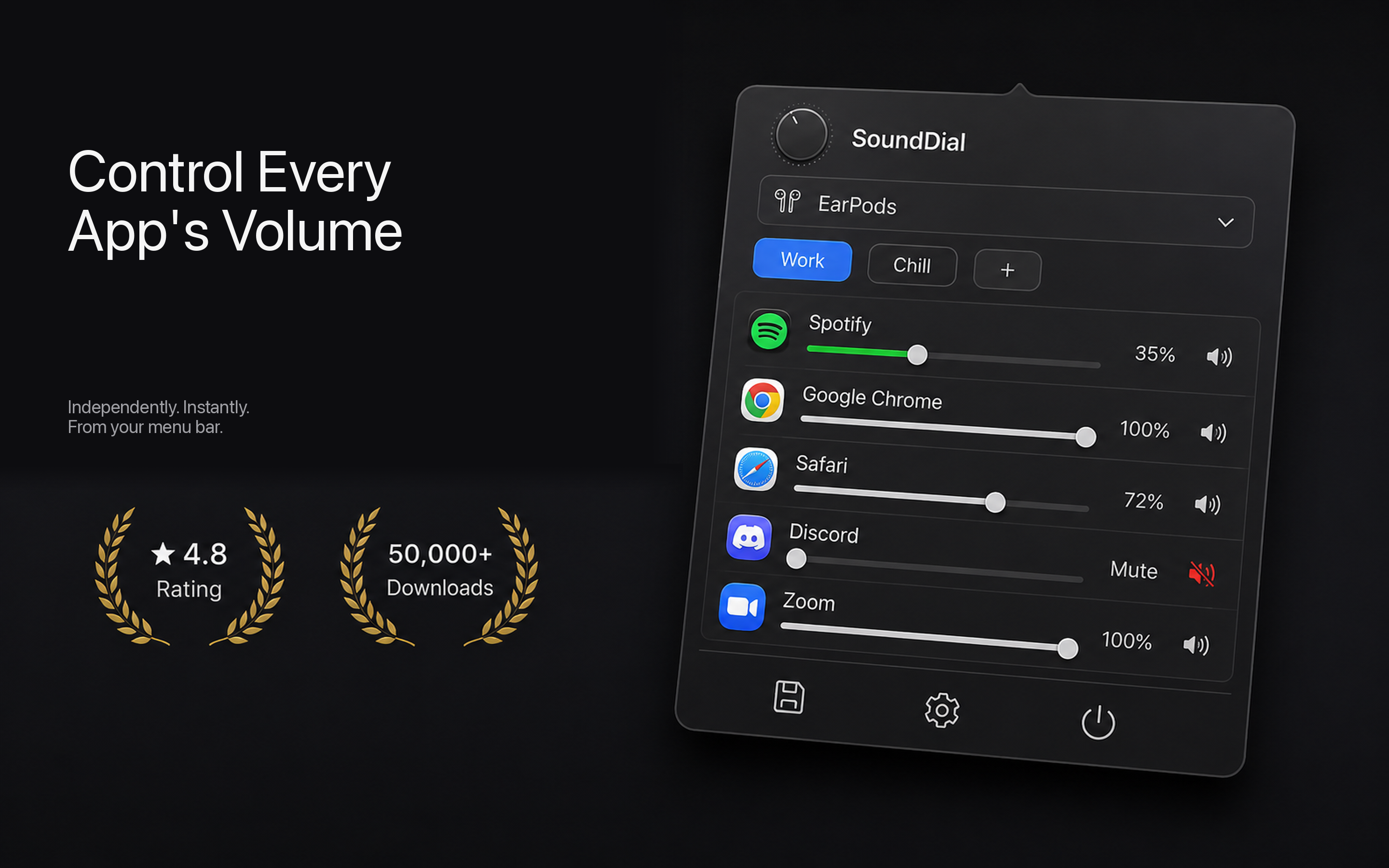
SoundDial גם עוזר עם הבעיה הפוכה: אם צלילי ההתראות של Teams חזקים מדי בזמן המיקוד, להוריד את Teams ל-15% או להשתיק אותו לגמרי תוך שמירה על המוזיקה. לחיצה אחת להשתקה, לחיצה אחת להסרת השתקה.
קבלו SoundDial בחנות האפליקציות Mac — €14.99 רכישה חד-פעמית, ללא מנוי, macOS 14.2+.